

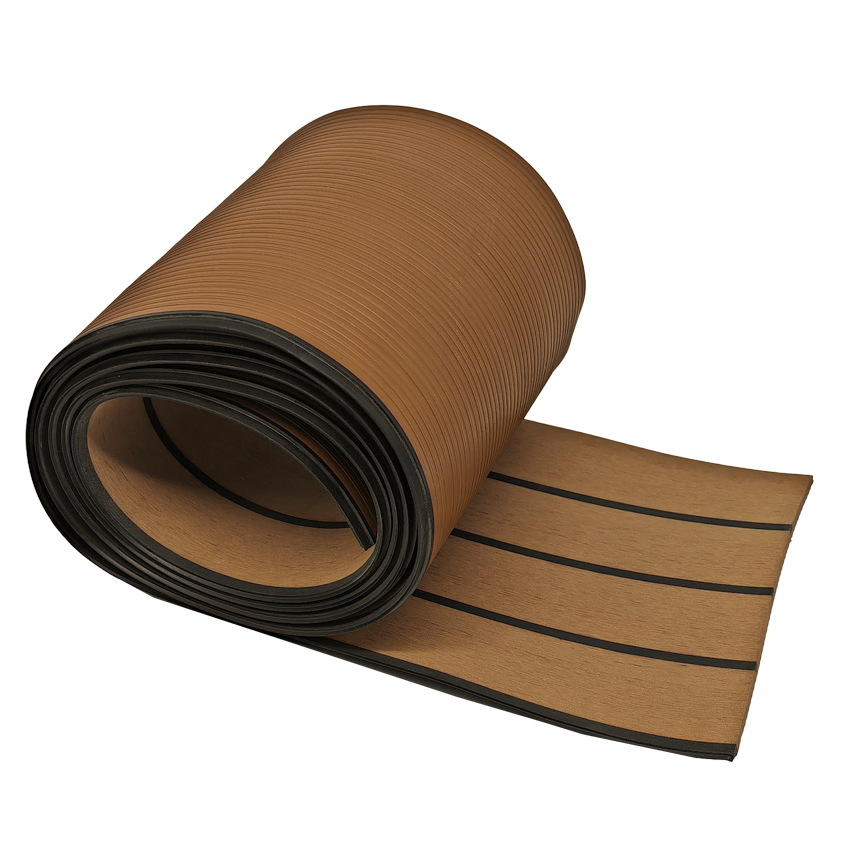
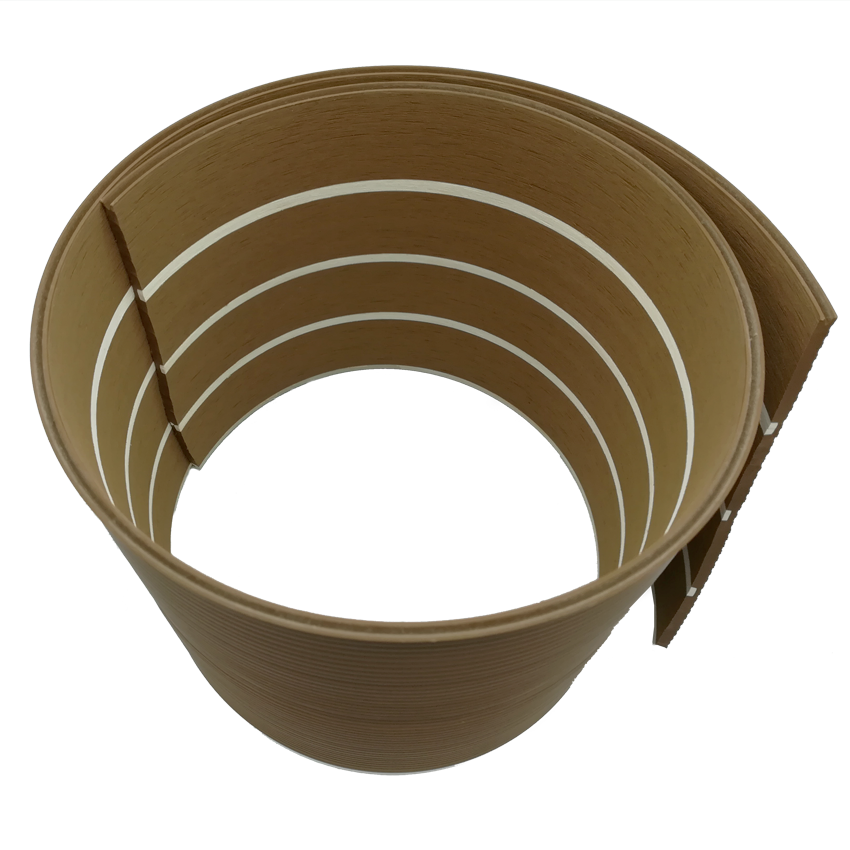
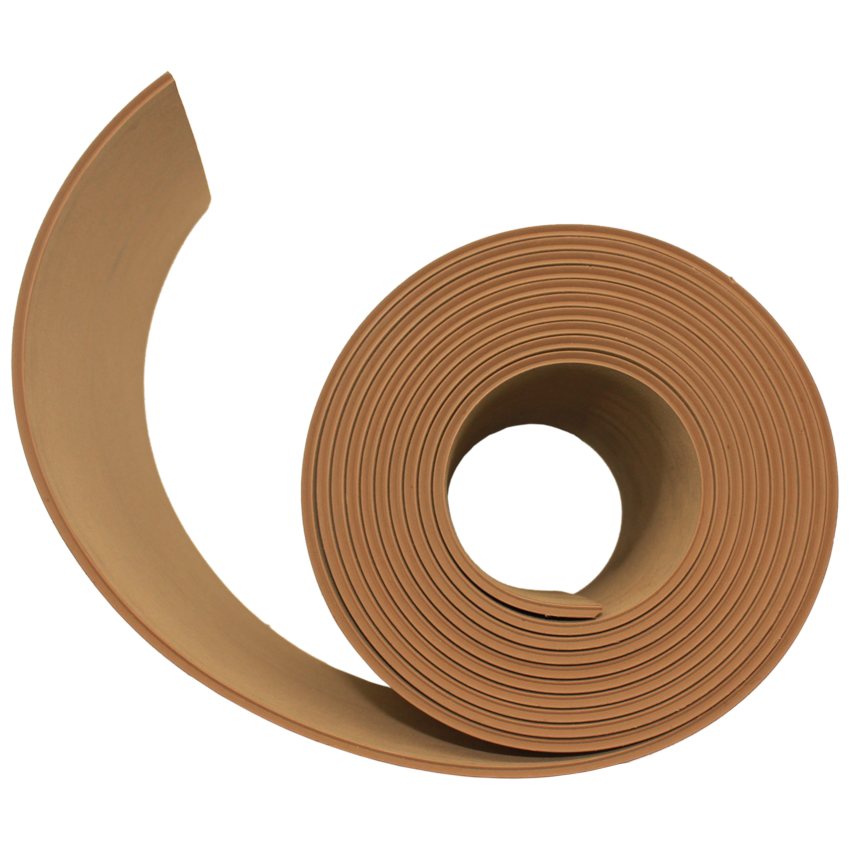
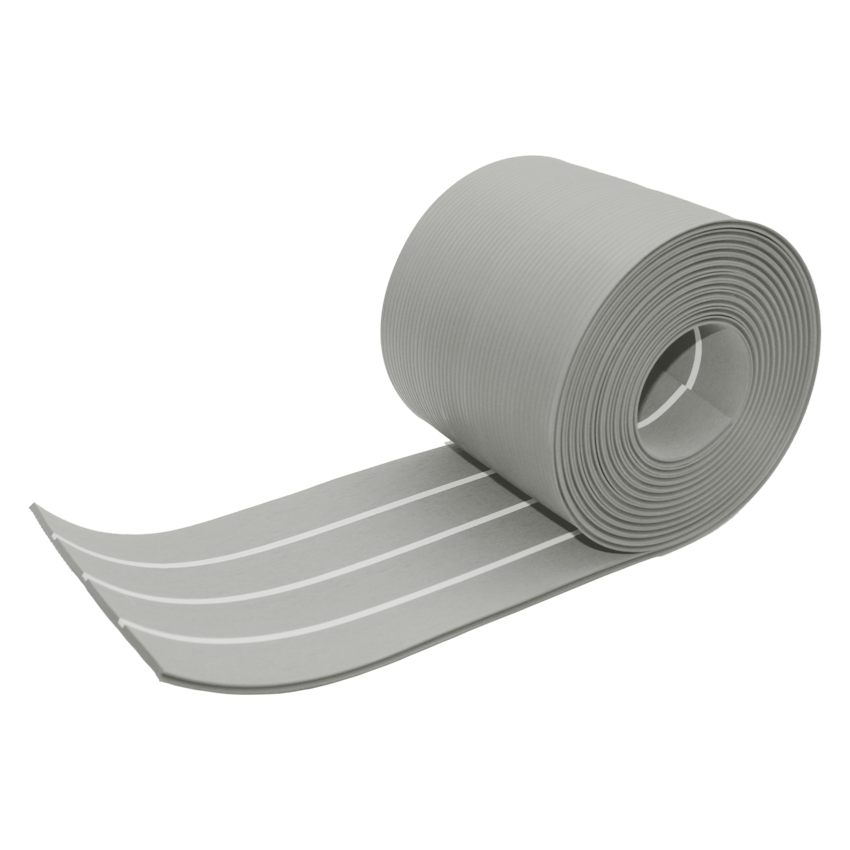
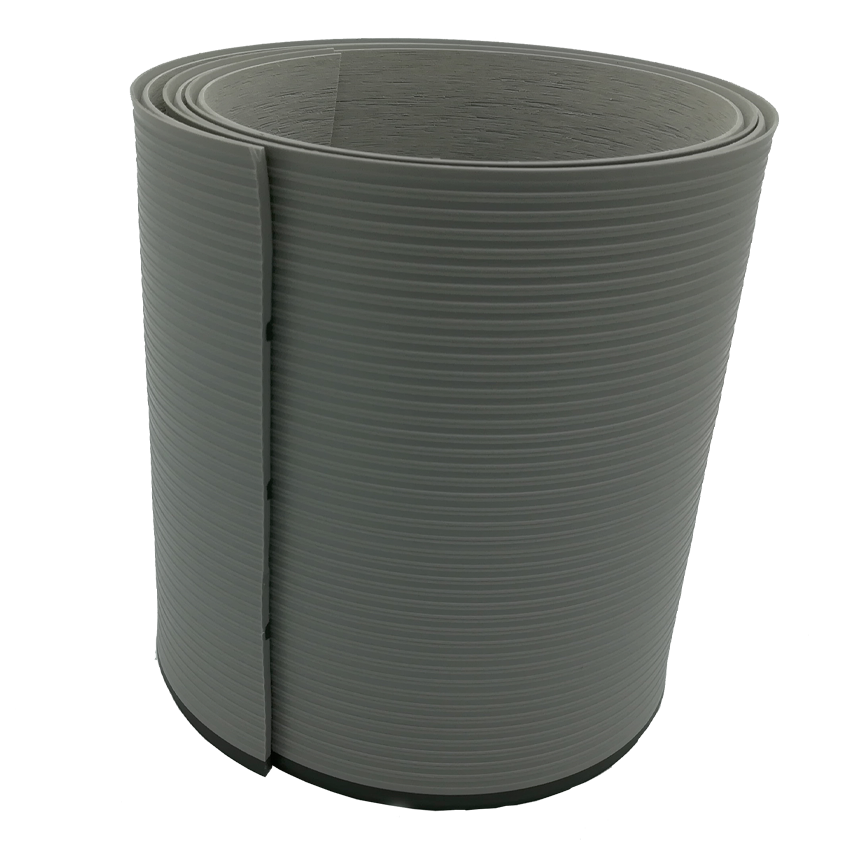
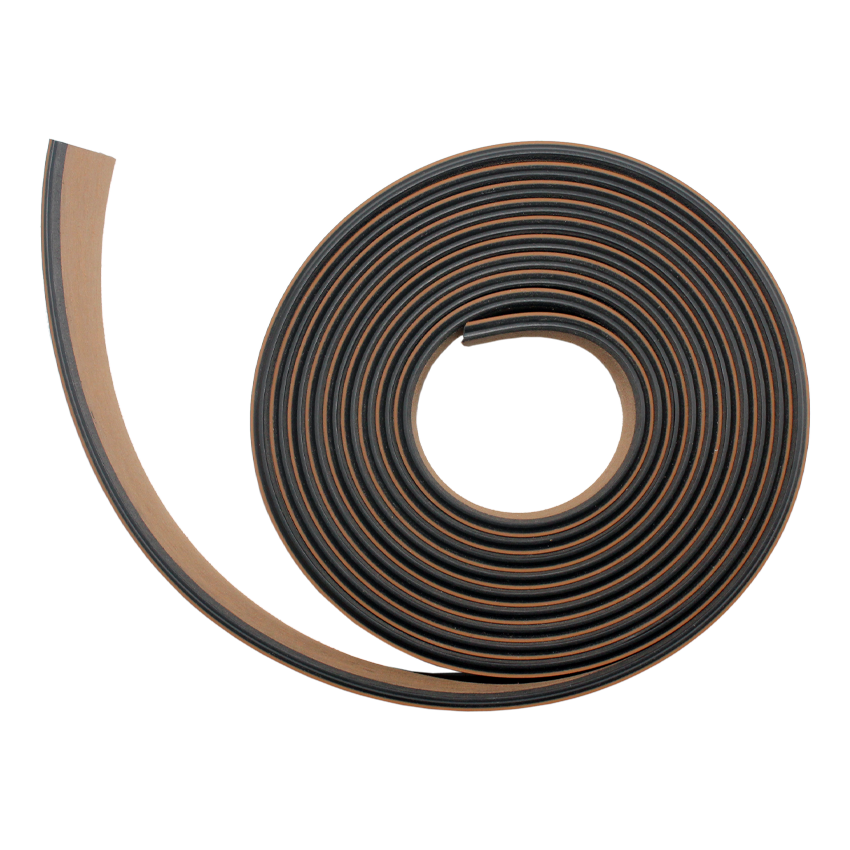
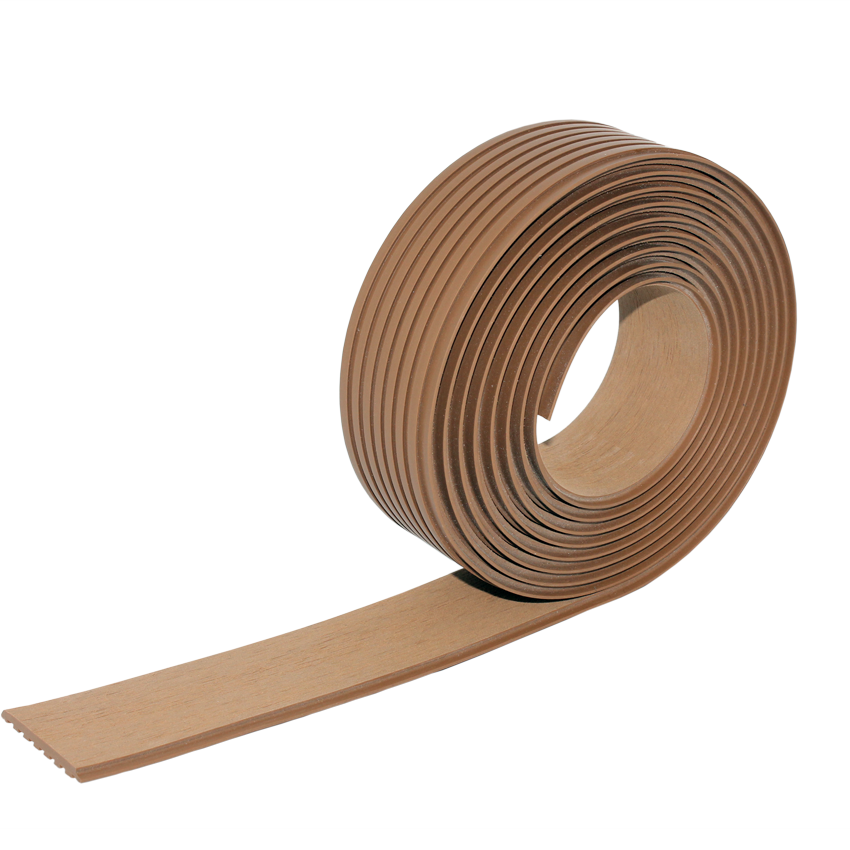



Synthetic PVC teak decking—also called marine decking, PVC teak or artificial teak—is an innovative PVC-based alternative to traditional teak wood. It faithfully replicates the warm grain and texture of natural teak while delivering superior resistance to UV rays, moisture, stains and heavy foot traffic. Low-maintenance and simple to clean with just soap and water, synthetic teak decking retains its rich color and performance for years, even in the harshest environments.
| Material | PVC |
| Technology | PVC Foam |
| Thickness | 5MM |
| Size | 190MM Width X 5MM Thickness X 25M Length per Roll |
| Color | Teak/Light Teak/Grey |
| Surface | Sanding, Smooth |
| Application | Boat/Yacht/Kayak/Marine/Cruise Ships/Pontoon Boats/Boat Interior Cabins/Pool Surround |
| Packages | Carton Box |
| Warranty | 15 Years |
| Single Gross Weight: | 35 KG |
Synthetic teak decking gives the look of real teak without the expense or maintenance. It’s a popular new boat option and aftermarket upgrade. To get the most value, you need to know some important details.
Surface Temperature
As a plastic composite material, our products absorb less heat than other products.
Ease of Installation
Due to flexibility of the 5mm flexible strips.
Material Cost
Real teak is expensive, but its true cost is quite cheap.
Labor Cost
Ease of installation greatly reduces labor costs, plus no machinery needed
Color Retention
Teak fades from golden brown to silver after only a few months.
Anti-Slip
The rough wood like finish is applied by sanding the finished product with 40 grit sandpaper
Yacht Cockpit: Paved around the cockpit, with a non-slip and wear-resistant surface to ensure foot stability while maneuvering the boat. The flexible material reduces fatigue from prolonged standing.
Fishing Boat Deck: Fully covered, resistant to fishing line scratches, and easy to clean, removing blood and stains from catches; simply rinse with water to restore cleanliness.
Speedboat Swimming Ladder: Cut and attached to the surface of the swimming ladder, providing a non-slip and impact-resistant surface, enhancing safety when boarding the boat on the water.
RV Outdoor Extension Area: Also usable as an RV terrace or outdoor dock platform, suitable for both land and sea use.
Q1: Will this PVC Synthetic Teak Decking fade in the sun?
A1: PVC marine decking has excellent durability and can maintain its beautiful appearance even when exposed to direct sunlight outdoors.
Q2: Can it be installed on a wooden boat deck?
A2: Yes. Before installation, simply sand the surface of the wooden deck smooth, clean and dry it, and then install it with a special adhesive without damaging the wooden base layer.
Q3: How to clean stubborn stains (e.g., fish blood, oil) on the decking?
A3: You can use a neutral detergent and a soft brush to wipe it, then rinse with water; PVC material does not absorb oil stains, and stubborn stains can also be wiped with alcohol without leaving any residue.
Q4: Is it suitable for saltwater and freshwater environments?
A4: Fully compatible. PVC Synthetic teak decking has excellent waterproof performance, having passed salt spray and freshwater immersion tests, showing no corrosion or swelling, and can be used long-term in both seawater and freshwater environments.
Q5: Can I cut it to fit the shape of my boat?
A5: Yes. It can be easily cut using a regular utility knife. However, it’s recommended to first draw a paper template based on the ship’s dimensions, and then cut the floor according to the template for greater precision.
Installing synthetic teak decking is straightforward and adaptable to various surfaces. Here’s how it works:
1. Surface Preparation
Ensure the surface is clean, dry, and level. For boats, this means removing any old flooring or adhesive.
2. Layout Planning
Plan your layout, ensuring expansion gaps are included to allow for temperature-related movement.
3. Adhesive Application
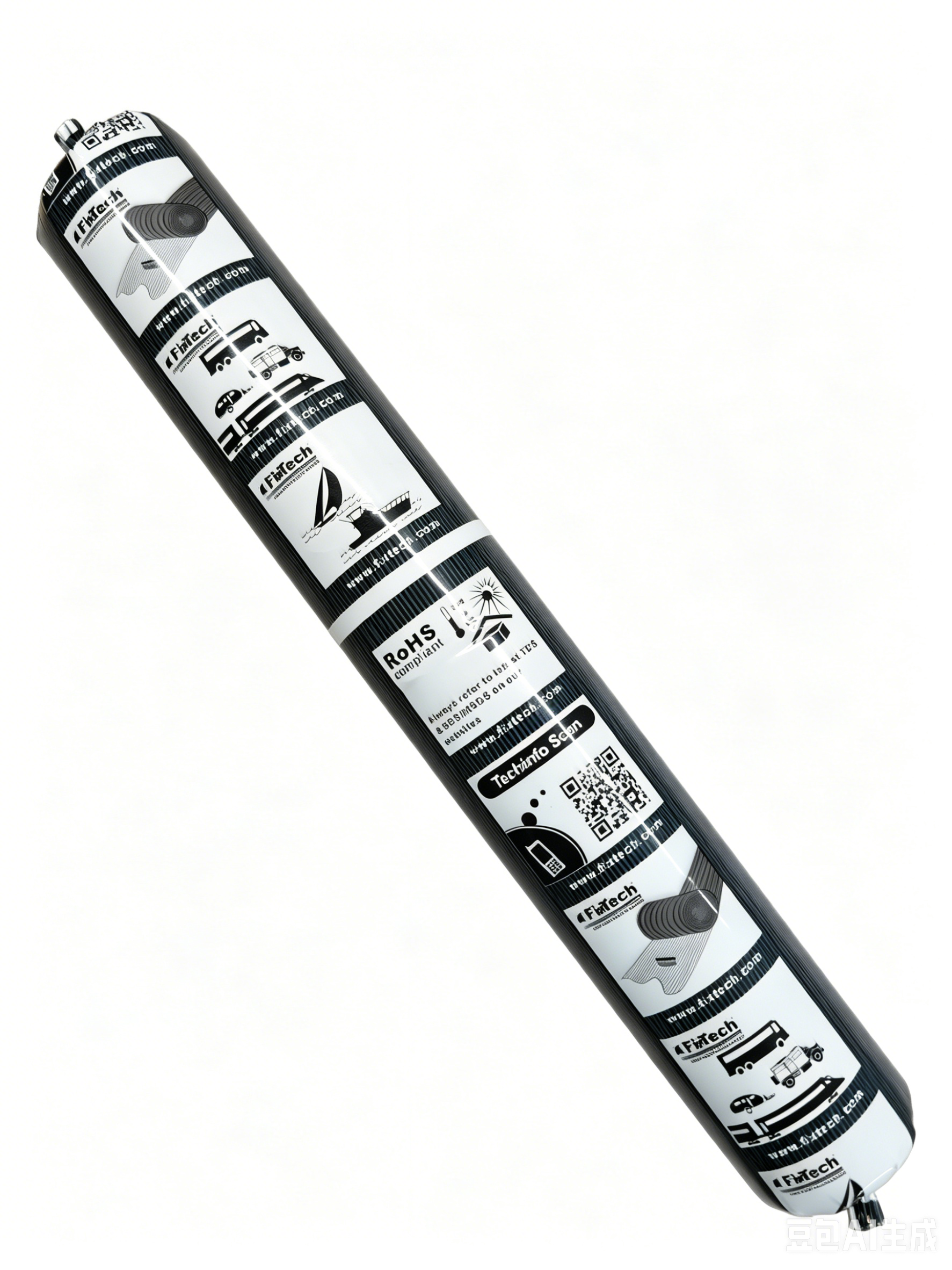
Use marine-grade adhesives to securely bond the synthetic teak decking to the substrate.
4. Trimming and Finishing
Trim the edges for a perfect fit and finish with caulking for a seamless, polished look.
5. Final Inspection
Once installed, inspect the decking for any gaps, bubbles, or uneven areas, and make adjustments as needed.